



Call Us
+86-573-86451918
Email Us
mangerzw@haxsen.com

How Is Forged Carbon Steel Produced and Applied Across Global Industries?
Article Abstract
Forged Carbon Steel is a foundational material widely used in energy, machinery, transportation, construction, and heavy industrial sectors. This article provides a comprehensive, technically grounded exploration of forged carbon steel, focusing on how it is manufactured, how its parameters define performance, and how it supports long-term industrial reliability. Through structured analysis, specification data, and expert-level Q&A, this content aims to address common technical concerns while aligning with global engineering standards and search intent.
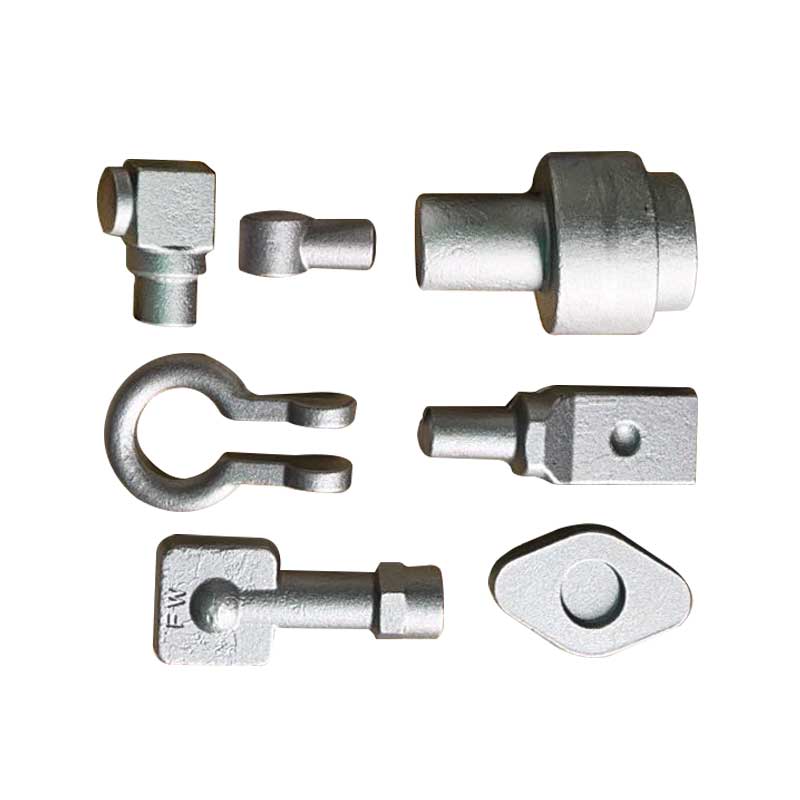
Table of Contents
- Article Outline
- How Is Forged Carbon Steel Manufactured?
- How Do Technical Parameters Define Forged Carbon Steel Performance?
- How Is Forged Carbon Steel Used in Industrial Applications?
- How Does Forged Carbon Steel Compare in Long-Term Engineering Use?
- Forged Carbon Steel Common Questions and Answers
- Industry Perspective and Brand Introduction
Article Outline
- Material overview and engineering relevance
- Forging process and metallurgical control
- Key parameters and standards
- Application-driven performance analysis
- Common technical questions answered
How Is Forged Carbon Steel Manufactured?
Forged Carbon Steel refers to carbon steel that has undergone plastic deformation through controlled forging processes such as open-die forging, closed-die forging, or ring rolling. Unlike cast steel, forged carbon steel is shaped under compressive force at elevated temperatures, which refines grain structure, eliminates internal voids, and enhances directional strength.
The manufacturing process typically begins with carefully selected carbon steel billets or ingots that comply with international standards such as ASTM A105, ASTM A350, ASTM A694, or EN 10222. These materials are heated to a forging temperature range between 1050°C and 1250°C, depending on carbon content and alloy balance.
During forging, controlled deformation aligns the grain flow with the final component geometry. This metallurgical alignment improves fatigue resistance, tensile strength, and impact performance, making forged carbon steel suitable for high-load and pressure-bearing environments.
How Do Technical Parameters Define Forged Carbon Steel Performance?
The performance of forged carbon steel is directly determined by its chemical composition, mechanical properties, heat treatment condition, and dimensional tolerances. These parameters ensure compliance with engineering design requirements and regulatory standards.
| Parameter Category | Typical Specification Range | Engineering Significance |
|---|---|---|
| Chemical Composition | Carbon: 0.18–0.35% | Controls strength, hardness, and weldability |
| Tensile Strength | 485–620 MPa | Determines load-bearing capacity |
| Yield Strength | 250–355 MPa | Defines elastic deformation limit |
| Elongation | 20–30% | Indicates ductility and forming tolerance |
| Impact Toughness | ≥27 J (at specified temperature) | Ensures resistance to brittle fracture |
| Heat Treatment | Normalized, quenched & tempered | Optimizes microstructure and stability |
Dimensional accuracy and surface integrity are also critical. Forged components typically undergo ultrasonic testing (UT), magnetic particle inspection (MPI), and mechanical testing to ensure internal soundness and compliance.
How Is Forged Carbon Steel Used in Industrial Applications?
Forged carbon steel is selected where structural integrity, pressure resistance, and fatigue performance are critical. Its application scope spans multiple industries due to its balance of strength, machinability, and cost efficiency.
In the energy sector, forged carbon steel is used for flanges, valve bodies, pressure fittings, and pipeline components exposed to high pressure and temperature fluctuations. The forging process ensures leak resistance and extended service life.
In heavy machinery and mining equipment, forged shafts, gears, and couplings benefit from directional grain flow that withstands cyclic loads. Transportation and construction industries rely on forged carbon steel for load-bearing connectors, anchor systems, and structural joints.
The material’s compatibility with international standards allows seamless integration into global supply chains, reducing qualification time for engineering projects.
How Does Forged Carbon Steel Compare in Long-Term Engineering Use?
Compared with cast or fabricated steel components, forged carbon steel demonstrates superior reliability in long-term operation. Reduced internal defects translate into lower failure probability under fatigue and impact loading.
Lifecycle cost analysis often favors forged carbon steel due to reduced maintenance requirements, fewer unplanned shutdowns, and longer inspection intervals. These factors are particularly relevant in petrochemical plants, offshore platforms, and power generation facilities.
As engineering standards evolve toward higher safety margins, forged carbon steel remains a preferred material for compliance-driven projects.
Forged Carbon Steel Common Questions and Answers
Q: How does forging improve carbon steel strength?
A: Forging compresses and refines the grain structure, aligning it with the component geometry. This reduces porosity and improves tensile strength, fatigue resistance, and impact toughness.
Q: How is forged carbon steel different from cast carbon steel?
A: Cast steel is shaped by pouring molten metal into molds, which may introduce shrinkage cavities. Forged carbon steel is plastically deformed, resulting in denser internal structure and improved mechanical reliability.
Q: How is forged carbon steel inspected for quality assurance?
A: Quality control typically includes chemical analysis, tensile and impact testing, ultrasonic inspection, and dimensional verification according to applicable standards.
How Does Forged Carbon Steel Support Industrial Reliability?
Forged carbon steel continues to serve as a critical material in infrastructure and industrial systems where mechanical integrity and operational safety are non-negotiable. Its controlled manufacturing process, stable parameters, and global standardization make it a dependable choice across diverse engineering applications.
Within this industrial landscape, Haxsen provides forged carbon steel solutions aligned with international specifications and application-driven requirements. Through material control, inspection discipline, and engineering-focused supply, Haxsen supports projects demanding consistency and long-term performance.
For project-specific inquiries, technical documentation, or material selection guidance, contact us to engage with experienced specialists who understand forged carbon steel from specification to application.
Send Inquiry



X
We use cookies to offer you a better browsing experience, analyze site traffic and personalize content. By using this site, you agree to our use of cookies.
Privacy Policy
News
 What is Hydraulic Pipe Fitting?2025/07/29
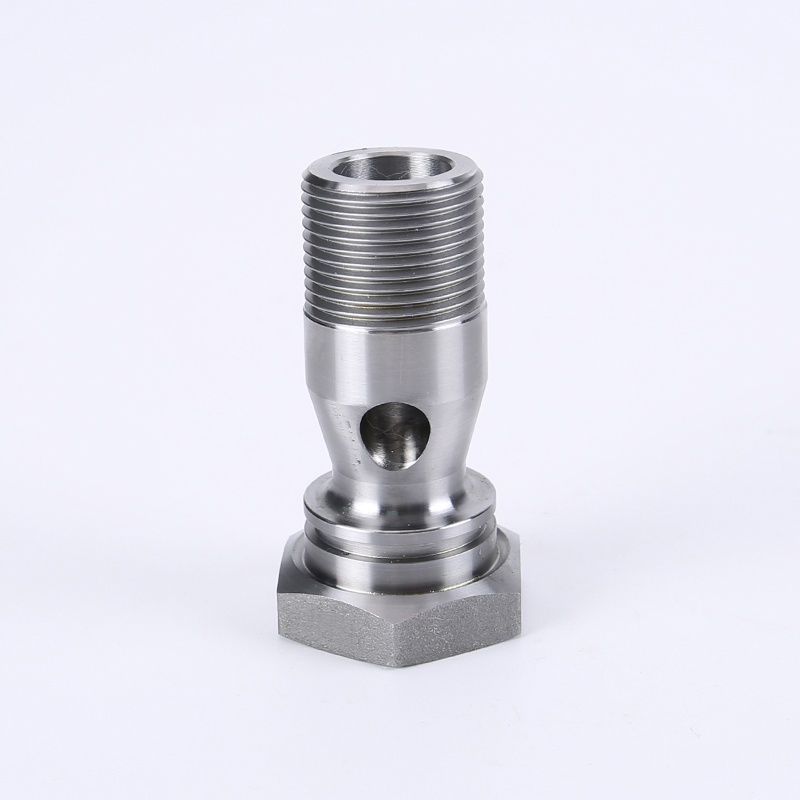
Hydraulic Pipe Fitting is a type of connecting component used to connect various pipelines, hoses, and other components in hydraulic systems. They are often constructed of stainless steel, carbon steel, or brass and can endure high pressure, high temperature, and corrosive environments, assuring the......
 What are the main advantages of precision die forging over ordinary die forging?2024/03/08
The forging machining allowance is small, the tolerance is small, the surface roughness value is small. It can partially or completely replace the machining of parts, so it saves materials...